
Buying land to build on: the honest guide so you don’t mess it up
So you want to build your own place from scratch. Good call, honestly. There’s something pretty special about standing on an empty plot and picturing the kitchen, the garden, the spot where you’ll have your morning coffee. But buying land isn’t like buying a house. The rules are different, the traps are different, and the stuff that goes wrong tends to go wrong before the first brick is even laid. Let’s sort it out together, step by step, no fluff.
First thing first : not all land is created equal. A plot that looks gorgeous on a sunny afternoon can turn into a nightmare once you start digging into the paperwork. That’s why, before you fall in love with a view, I’d really recommend browsing listings on a dedicated platform like https://www.terrains-a-vendre.fr to get a feel for what’s out there, what prices look like in different areas, and what “buildable” actually means in practice. Trust me, scrolling through real plots teaches you more in twenty minutes than any theory.
Is the land actually buildable ? The question that changes everything
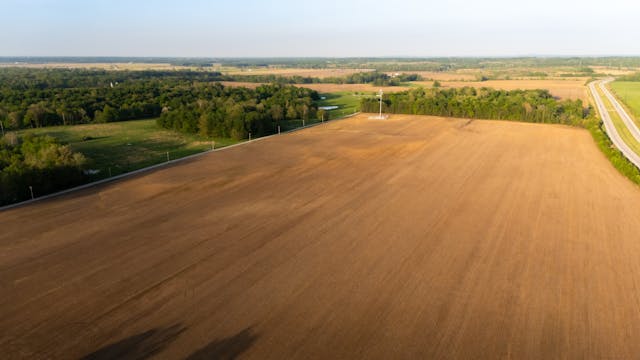 This is the big one. A plot can be sold as “land” without being constructible, which just means you’re legally allowed to build a home on it. Sounds obvious, right ? You’d be surprised how many people skip this check because the seller said “oh yeah, you can build no problem.” Words mean nothing here. What matters is the local planning document, the one the town hall holds.
Ask for the certificat d’urbanisme if you’re in France, or whatever the equivalent planning certificate is in your area. It tells you what you can build, how high, how far from the road, and sometimes even what colour the roof tiles have to be. Yes, really. I once saw someone buy a beautiful sloping plot only to discover the zone allowed nothing taller than a single storey. Their dream of a big family house ? Gone, just like that.
Serviced or not ? The hidden cost that catches everyone
Here’s where budgets explode. A plot that’s not connected to utilities means you’ll be paying to bring in water, electricity, gas maybe, sewage, and a proper road access. This is called servicing the land, and it’s not cheap. Depending on how far the connections are, you can easily be looking at several thousand pounds, sometimes a lot more if the nearest mains is hundreds of metres away.
So when you compare two plots and one is suspiciously cheaper, ask yourself why. Often it’s because it’s raw land with nothing connected. Cheap upfront, expensive once you add it all up. Do the maths before you get excited, not after.
Check the soil, seriously
People forget the ground itself can be a problem. Clay soil that swells and shrinks, a high water table, old mine works underneath… all of that affects your foundations and your costs. A soil study (it’s actually mandatory in plenty of places now for new builds) tells you what kind of foundations you’ll need. Skip it and you might find out the hard way, with cracks appearing in your walls a few years down the line.
Is it an extra cost ? Yes. Is it worth it ? Absolutely. Think of it as cheap insurance against a very expensive disaster.
The surroundings : walk the plot, more than once
Numbers and documents are one thing. But you also need to feel the place. Go there at different times of day. Is the road noisy at 8am ? Does the neighbour’s barn block your afternoon sun ? Is there a phone signal, because that matters way more than you’d think when you’re living somewhere rural. Perso, I’d visit at least twice, once on a weekday and once on a weekend, just to see how the area actually breathes.
And talk to the neighbours if you can. People love to share what they really think about the area, the council, the flooding that “only happens every ten years or so.” Those little chats can save you from a bad decision.
The paperwork you can’t ignore
A few essentials before you sign anything :
- Bornage (boundary survey): so you know exactly where your land starts and ends. Disputes over a metre of fence are real, and they’re miserable.
- Planning certificate: confirms what you’re allowed to build.
- Servicing status: connected or not, and the cost if not.
- Any easements or rights of way: someone might have the legal right to cross your land. Better to know now.
None of this is glamorous, I know. But this is the part that protects you. Skip it and you’re basically gambling.
So, how much should you budget ?
 The plot price is just the start. Add the notary fees, the servicing, the soil study, the boundary survey, and then the build itself. A rough rule that’s served me well : whatever the land costs, expect the total project to be quite a bit more once everything’s done. Don’t stretch yourself to the absolute limit on the land alone, because the surprises always come later, and they always cost money.
The bottom line
Buying land to build on is one of the most exciting projects you can take on. But it rewards the people who do their homework and punishes the ones who rush. Check it’s buildable, check what it’ll cost to service, study the soil, walk the plot, read the paperwork. Do that, and you’re not just buying dirt, you’re buying the foundation of something real.
Ready to start looking properly ? Go browse some actual plots, compare a few areas, and you’ll quickly get a sense of what your money buys. The dream’s out there, you just have to pick the right ground for it. Good luck, and enjoy the hunt.
Leave a Reply